iStock

Remember the good old days when sharing photos meant passing around a dusty album at family gatherings? Well, welcome to the digital age, where your embarrassing vacation snapshots can potentially reach millions of eyeballs in seconds! But don’t worry, we’re here to help you avoid becoming an unwitting internet sensation.

Understanding the Risks of Online Photo Sharing

Privacy Breaches

You’ve snapped the perfect selfie, and you’re itching to share it with the world. But hold your horses! Before you hit that “post” button, consider this: your innocent photo could become the next viral sensation, and not in a good way. Privacy breaches are no laughing matter, even if you end up looking like a stock photo model gone wrong.

Metadata Mayhem

Ever heard of metadata? It’s like your photo’s nosy neighbor, spilling all your secrets. Your digital snapshots carry more baggage than a diva on a world tour. Location data, device information, and even the time you took the photo are all tucked away in this digital treasure trove. Imagine accidentally revealing you were at the “World’s Worst Haircut Convention” when you called in sick to work!

Facial Recognition Fiascos

Facial recognition technology is getting creepily good at identifying people in photos. You might think you’re just sharing a cute pic of your cat, but AI could be busy tagging you, your roommate, and that guy who delivered pizza last week. Suddenly, your feline photoshoot turns into an unintended game of “Six Degrees of Kevin Bacon.”

Copyright Conundrums

You know that hilarious meme you created using your friend’s photo? Well, surprise! You might’ve just stepped into a copyright minefield. Sharing photos without permission is like “borrowing” your neighbor’s car for a joyride – fun until the cops show up. And trust us, dealing with copyright lawyers is about as enjoyable as watching paint dry in slow motion.

Digital Permanence

Once your photo hits the internet, it’s like trying to put toothpaste back in the tube – practically impossible. That embarrassing snapshot from your cousin’s wedding? It might resurface years later when you’re running for president. The internet never forgets, and it has a wicked sense of humor when it comes to timing.

Choosing Secure Photo Sharing Platforms

Picking the right platform for sharing your digital masterpieces is like choosing the perfect outfit for a first date – it’s all about making the right impression while keeping your private bits covered. Let’s explore some options that’ll keep your photos safer than a squirrel’s nut stash in winter.

Cloud Storage Options

Cloud storage: it’s like a digital safety deposit box, but without the need for a fancy suit and tie to access it. Popular services like Google Drive, Dropbox, and iCloud offer robust security features, including:

  • End-to-end encryption (fancy talk for “super secret code”)
  • Two-factor authentication (because one factor is for amateurs)
  • Granular sharing controls (share with friends, not frenemies)

Just remember, these clouds aren’t fluffy – they’re fortresses for your photos.

Private Messaging Apps

When you want to share photos with the stealth of a ninja, private messaging apps are your go-to dojo. Options like Signal, WhatsApp, and Telegram offer:

  • Self-destructing messages (for your inner spy)
  • Screenshot alerts (catch those sneaky screen-grabbers)
  • Limited forwarding options (no more “accidental” mass sharing)

These apps keep your pics on lockdown tighter than your grandma’s cookie jar.

Photo-Specific Sharing Services

For the photo enthusiasts who want their images displayed like the Mona Lisa in the Louvre (but with better security), consider these specialized platforms:

  • Flickr: Offers privacy settings more complex than your coffee order
  • 500px: Protects your photos like a mama bear guards her cubs
  • SmugMug: Keeps your pics safer than money in a cartoon safe

These services understand that your photos are your babies, and they’re not about to let any digital dingoes snatch them.

Best Practices for Secure Photo Sharing

Ready to share your photos without becoming the next viral sensation? Let’s dive into some foolproof ways to keep your digital memories safe and sound.

Setting Up Privacy Controls

Lock down your social media fortress! Adjust those privacy settings like you’re protecting the crown jewels. Set your accounts to “friends only” or create custom lists for specific photo albums. Remember, your great-aunt Edna doesn’t need to see those beach vacation pics. Pro tip: Regularly audit your friend lists – you never know when that old high school acquaintance might turn into a photo-sharing menace.

Encrypting Your Photos

Think of encryption as a digital invisibility cloak for your photos. Before uploading, use encryption tools to scramble your images. This way, even if someone intercepts them, all they’ll see is a jumbled mess. It’s like sending a secret message, but instead of lemon juice, you’re using complex algorithms. Just don’t forget your encryption key, or you’ll be staring at your own indecipherable photos like a confused time traveler.

Managing Metadata and Geotags

Metadata is the sneaky little spy hiding in your photos, revealing where and when you took them. Strip that metadata faster than you’d strip off a sweater in a heatwave. Turn off geotagging on your devices, unless you want strangers knowing exactly where you snapped that selfie with the world’s largest ball of yarn. Remember, what happens in Vegas should stay in Vegas – not in your photo’s metadata.

Protecting Your Photos from Unauthorized Use

You’ve taken some stunning shots, but now it’s time to protect your digital masterpieces from sneaky photo thieves. Let’s explore some ways to keep your images safe from unauthorized use, because nobody likes a photo bandit!

Copyright Registration

Registering your copyright is like slapping a “hands off” sign on your photos, but with legal teeth. It’s the digital equivalent of marking your territory, minus the awkward leg-lifting. Here’s what you need to know:

  • Register with the U.S. Copyright Office for official protection
  • Online registration costs $45-$65 per work
  • Provides legal leverage if someone uses your photos without permission
  • Allows you to sue for damages if infringement occurs

Remember, copyright registration is your photos’ bodyguard – it might not prevent theft, but it’ll make the thieves think twice before snagging your shots.

Watermarking Techniques

Watermarking is like giving your photos a secret tattoo that screams, “I belong to someone!” Here are some watermarking tips to keep your images safe:

  • Use visible watermarks for maximum deterrence
  • Place watermarks in hard-to-crop areas of the image
  • Experiment with opacity to balance protection and aesthetics
  • Consider using your logo or signature as a watermark
  • Try invisible watermarks for a sneaky approach to protection

Pro tip: Make your watermark so clever that even art thieves will applaud your creativity before sulking away empty-handed.

Disabling Right-Click Saving

Disabling right-click saving is like putting your photos in a digital “look but don’t touch” museum. It’s not foolproof, but it’ll frustrate casual image snatchers. Here’s how to set up this virtual velvet rope:

  • Use JavaScript code to disable right-clicking on your website
  • Implement content protection plugins if using platforms like WordPress
  • Consider using image-sharing services that offer built-in right-click protection
  • Remember: determined users can still screenshot, so combine this with other methods

Sharing Photos with Different Audiences

You’ve mastered the art of taking selfies, but now it’s time to conquer the treacherous waters of sharing them with various crowds. Let’s dive into the hilarious world of photo-sharing etiquette for different audiences.

Family and Friends

Ah, the joys of sharing photos with your nearest and dearest! Here’s how to navigate this minefield:

  • Filter like a pro: Your grandma doesn’t need to see your wild night out. Create separate albums for different family members.
  • Caption carefully: That inside joke might not be so funny to Aunt Edna. Keep it PG and avoid political rants.
  • Timing is everything: Don’t flood your cousin’s feed with 100 vacation pics at 3 AM. Space out your posts to avoid being unfollowed.
  • Embrace the embarrassment: That awkward family photo? Share it! It’s comedy gold and shows you don’t take yourself too seriously.

Clients and Professional Contacts

Sharing photos with your work crowd? It’s a whole different ballgame:

  • Dress for success: Your LinkedIn profile pic shouldn’t be you chugging a beer. Keep it professional, but not stuffy.
  • Quality over quantity: Share only your best work. No one wants to see 50 slightly different versions of the same stock photo.
  • Mind the background: That cool graffiti might look edgy, but your potential clients might not appreciate it. Choose neutral backgrounds.
  • Watermark wisely: Protect your work, but don’t plaster your name across the entire image. Subtlety is key.

Legal and Ethical Considerations

Navigating the legal and ethical minefield of online photo sharing is like trying to moonwalk through a room full of mousetraps – one wrong move, and you’re in for a world of hurt. Let’s explore how to keep your digital footprint clean and your conscience clear.

Obtaining Consent

Before you hit that share button, remember: consent is sexier than a perfectly framed selfie. Here’s how to keep it classy:

  • Ask first, post later: Get explicit permission from everyone in the photo.
  • Mind the minors: For photos of kids, get parental consent or you’ll be in a time-out.
  • Respect the camera-shy: Some folks prefer to stay off the grid – don’t turn them into reluctant internet stars.
  • Document consent: Keep a record of permissions – it’s your get-out-of-jail-free card.

Remember, sharing without consent is like borrowing your neighbor’s underwear without asking – it’s just wrong on so many levels.

Avoiding Sensitive Content

When it comes to sensitive content, think of your photo feed as a family-friendly movie – keep it PG, folks! Here’s how to avoid turning your innocent snapshots into scandalous clickbait:

  • No nudes is good nudes: Keep those birthday suits under wraps.
  • Skip the TMI: Avoid sharing medical info or other personal details.
  • Watch the background: Make sure you’re not accidentally showcasing confidential documents or embarrassing items.
  • Steer clear of controversy: Political rallies, religious symbols, or contentious events might spark more heat than you bargained for.

Monitoring and Managing Shared Photos

Congratulations! You’ve shared your photos online. Now, like a helicopter parent, it’s time to hover over them and make sure they’re behaving themselves in the digital playground.

Tracking Photo Usage Online

Ever wonder if your selfie has become an internet sensation without your knowledge? Here’s how to play detective with your digital snapshots:

  • Set up Google Alerts: Create alerts for your name and image descriptions. It’s like having a personal paparazzi, minus the invasive cameras.
  • Use reverse image search: Drag and drop your photo into Google Images. It’s like playing “Where’s Waldo?” but with your face.
  • Monitor social media: Regularly check platforms where you’ve shared photos. It’s the digital equivalent of peeking through your neighbors’ windows.
  • Utilize image tracking tools: Services like Pixsy or TinEye can help you find where your photos are being used. Think of it as a game of hide-and-seek, where your photos are trying to outsmart you.

Removing Unwanted Shared Content

Oops! Did that embarrassing photo of you doing the Macarena at your cousin’s wedding somehow make it online? Don’t panic! Here’s how to make it disappear faster than your dignity did that night:

  1. Contact the source: Politely ask the person who shared the photo to remove it. If that doesn’t work, try bribing them with cat videos.
  2. Report to platform: Use the platform’s reporting tools to request removal. It’s like calling the principal’s office, but for the internet.
  3. Use legal options: If all else fails, consider sending a DMCA takedown notice. It’s the digital equivalent of saying, “My lawyer will be in touch.”
  4. Flood the internet with better content: Share so many amazing photos that the embarrassing one gets buried. It’s like hiding a piece of broccoli under a mountain of cheese.

Key Takeaways

  • Understand online photo sharing risks, including privacy breaches, metadata exposure, and facial recognition concerns
  • Choose secure platforms like encrypted cloud storage, private messaging apps, or photo-specific services for safer sharing
  • Implement best practices such as adjusting privacy settings, encrypting photos, and managing metadata to protect your images
  • Safeguard your photos from unauthorized use through copyright registration, watermarking, and disabling right-click saving
  • Consider your audience when sharing photos, tailoring content for family, friends, and professional contacts
  • Obtain consent, avoid sensitive content, and monitor shared photos to ensure ethical and legal compliance

Conclusion

You’re now armed with the savvy to share your snapshots without becoming an accidental internet celebrity. Remember these tips and you’ll be the James Bond of photo sharing – stealthy suave and always in control.

Just don’t forget to actually enjoy those moments you’re capturing. After all what’s the point of a perfectly secure photo if it’s just a blurry mess of your thumb? Now go forth and share those pics like a pro – your future self (and your reputation) will thank you!


The digital content landscape has undergone a significant transformation in recent years, with video emerging as a dominant force. As demand for engaging visual content continues to soar, creators and businesses alike are seeking cost-effective solutions to meet this need.

Enter affordable stock video—a game-changing resource that’s revolutionizing content creation. This trend has democratized access to high-quality footage, enabling creators of all levels to produce professional-looking content without breaking the bank. From social media posts to marketing campaigns, stock video has become an indispensable tool in the modern content creator’s arsenal.

The Evolution of Stock Video in Content Creation

From Niche to Mainstream

Stock video evolved from a niche resource to a mainstream tool in content creation. Initially, stock footage was limited to high-end productions and expensive licensing models. As digital technologies advanced, the accessibility and affordability of stock video increased dramatically. This shift democratized content creation, allowing small businesses and independent creators to access high-quality footage previously reserved for big-budget productions.

Quality Improvements

The quality of stock video improved significantly over time. Early stock footage often suffered from low resolution and limited variety. Today’s stock video libraries offer 4K and even 8K resolution footage, with a vast array of subjects, styles, and cinematographic techniques. This improvement in quality enabled creators to seamlessly integrate stock footage into their projects without compromising visual appeal.

Diversification of Content

Stock video libraries expanded their offerings to cater to diverse content needs. From lifestyle shots to aerial footage, from business scenarios to nature scenes, the range of available content grew exponentially. This diversification allowed creators to find relevant footage for virtually any project, regardless of industry or theme.

Technological Advancements

Technological advancements played a crucial role in the evolution of stock video. Improved search algorithms and AI-powered tagging systems made it easier for creators to find the exact footage they needed. Additionally, cloud-based platforms and high-speed internet connections facilitated quick downloads and seamless integration into editing workflows.

Pricing Models and Accessibility

The pricing models for stock video underwent a significant transformation. Traditional per-clip licensing gave way to subscription-based models and affordable micro-stock options. This shift made high-quality stock footage accessible to a broader range of creators, including those with limited budgets. Platforms like iStock introduced coupons and discounts, further reducing the cost barrier for accessing premium stock video content.

Integration with Content Creation Tools

Stock video platforms integrated with popular content creation tools and software. This integration streamlined the creative process, allowing creators to search, preview, and import stock footage directly within their editing environments. The seamless workflow enhanced productivity and encouraged more creators to incorporate stock video into their projects.

Understanding Affordable Stock Video

Affordable stock video refers to pre-produced video footage available for licensing at lower costs than traditional custom-shot video. This section explores the key aspects of affordable stock video and its impact on content creation.

Definition and Characteristics

Affordable stock video encompasses high-quality, professionally shot footage available for purchase and use in various projects. These videos typically feature:

  • Short clips ranging from 5 to 60 seconds
  • Diverse subjects including lifestyle, nature, business, and technology
  • Multiple resolution options, from HD to 4K
  • Royalty-free licensing for flexible usage

Popular Platforms and Sources

Content creators can access affordable stock video from numerous platforms:

  • Shutterstock: Offers a vast library of videos with subscription and on-demand options
  • Adobe Stock: Integrates seamlessly with Creative Cloud applications
  • Pond5: Provides a marketplace for independent videographers to sell their footage
  • Videvo: Features a mix of free and premium stock videos
  • iStock: Offers cheap stock video options, often with promotional iStock coupons for additional savings

These platforms continuously expand their libraries, improve search functionality, and offer competitive pricing models to meet the growing demand for affordable stock video in content creation.

Driving Factors Behind the Rise

The rise of affordable stock video in content creation stems from several key factors. These driving forces have reshaped the landscape of visual content production, making high-quality footage more accessible than ever before.

Increased Demand for Visual Content

The digital age has ushered in an unprecedented appetite for visual content. Social media platforms, websites, and marketing campaigns now heavily rely on video to engage audiences. This surge in demand has created a need for diverse, high-quality footage that can be quickly and easily incorporated into various projects. Cheap stock video has emerged as a solution, offering content creators a vast library of professional-grade clips at fraction of the cost of custom production.

Technological Advancements

Technological progress has played a crucial role in the proliferation of affordable stock video. High-quality cameras have become more accessible, enabling a wider range of contributors to produce professional-level footage. Cloud storage solutions and faster internet speeds have facilitated the creation of extensive online libraries. Advanced search algorithms and AI-powered tagging systems have made it easier for users to find relevant clips quickly. These improvements have streamlined the process of creating, distributing, and accessing stock video, driving down costs and increasing availability.

Changing Profile of Content Creators

The democratization of content creation has led to a diverse new generation of creators. Small businesses, independent filmmakers, and social media influencers now compete alongside major corporations in producing engaging visual content. This shift has increased the demand for cost-effective resources like cheap stock video. Platforms like iStock have responded by offering iStock coupons and competitive pricing models, making their vast libraries of high-quality footage accessible to creators with varying budgets. The changing creator landscape has thus become a significant driver in the rise of affordable stock video, reshaping the industry to cater to a broader range of needs and financial constraints.

Benefits of Affordable Stock Video

Affordable stock video offers numerous advantages to content creators, empowering them to produce high-quality content efficiently and cost-effectively. This section explores the key benefits of using cheap stock video in content creation.

Cost-Effective Production

Affordable stock video significantly reduces production costs for creators. By utilizing pre-shot footage, creators avoid expensive equipment rentals, location fees, and crew expenses. This cost-saving approach allows smaller businesses and individual creators to compete with larger companies in producing visually appealing content. Platforms offering cheap stock video, such as iStock, often provide coupons and discounts, further reducing expenses for budget-conscious creators.

Time-Saving Solutions

Stock video libraries save creators valuable time in the production process. Instead of planning and executing complex shoots, creators can quickly search and download relevant footage. This efficiency allows for faster project turnaround times and enables creators to focus on other aspects of content creation, such as scripting and editing. The time saved translates to increased productivity and the ability to take on more projects.

Access to High-Quality Footage

Affordable stock video providers offer a vast selection of professional-grade footage. Creators gain access to high-resolution videos shot with advanced equipment, often beyond their budget or technical capabilities. This access democratizes content creation, allowing smaller creators to produce visually stunning videos that rival those of larger production houses. The availability of diverse footage covering various subjects and styles ensures creators find the perfect clip for their projects.

Enhanced Storytelling Capabilities

Stock video enhances storytelling by providing creators with a wide range of visual elements to support their narratives. Creators can incorporate footage from different locations, time periods, or scenarios that would be otherwise impossible or impractical to film themselves. This versatility allows for more dynamic and engaging content, helping creators effectively convey their messages and capture audience attention. The ability to combine different stock clips creatively opens up new possibilities for visual storytelling across various genres and platforms.

Impact on Content Creation

The rise of affordable stock video has significantly transformed the landscape of content creation. This shift has led to far-reaching consequences across various aspects of the industry.

Democratization of Video Production

Affordable stock video has leveled the playing field for content creators. Small businesses, independent filmmakers, and digital marketers now have access to high-quality footage that was once exclusive to big-budget productions. This democratization has sparked a surge in video content across platforms, with creators leveraging cheap stock video to enhance their visual storytelling without breaking the bank.

Shift in Marketing Strategies

The availability of affordable stock video has revolutionized marketing approaches. Brands now incorporate more video content into their digital marketing campaigns, recognizing its power to engage audiences effectively. Social media platforms, in particular, have seen a surge in video-based advertisements and content, driven by the accessibility of stock footage. Marketers utilize iStock coupons to further reduce costs, allowing for more frequent and diverse video content production.

Challenges for Professional Videographers

While affordable stock video has opened doors for many, it has also presented challenges for professional videographers. The increased competition from stock footage has forced many to adapt their business models. Some have diversified their services, offering specialized or niche content that stock libraries can’t replicate. Others have embraced the trend, contributing their work to stock libraries as an additional revenue stream while maintaining their bespoke services for clients requiring custom footage.

Best Practices for Using Stock Video

Incorporating stock video effectively requires careful consideration and strategic implementation. By following these best practices, content creators can maximize the impact of affordable stock footage in their projects.

Choosing the Right Footage

Selecting appropriate stock video is crucial for maintaining visual coherence and quality. Content creators should focus on footage that aligns with their project’s style, tone, and message. When searching for cheap stock video, use specific keywords and filters to narrow down options. Consider factors such as resolution, aspect ratio, and color grading to ensure compatibility with existing content. Platforms like iStock offer advanced search functionalities, making it easier to find suitable footage within budget constraints.

Customization and Integration

To make stock footage blend seamlessly with original content, customization is key. Adjust color grading, add effects, or crop the video to match the overall aesthetic of the project. When integrating stock footage, use transitions and overlays to create a cohesive flow. Combine multiple clips to create unique sequences, and consider adding custom graphics or text overlays to enhance the footage. By creatively manipulating stock video, content creators can produce distinctive and professional-looking content even with affordable resources.

Licensing Considerations

Understanding licensing terms is essential when using stock video. Different platforms offer various licensing options, ranging from royalty-free to rights-managed. Content creators must ensure they have the appropriate rights for their intended use, considering factors such as distribution channels, audience size, and project duration. Many stock video platforms, including those offering cheap stock video, provide clear licensing information for each clip. Always review these terms carefully and keep records of purchases and licenses for future reference. Some platforms, like iStock, offer coupons that can help reduce costs while ensuring proper licensing compliance.

Future Trends in Affordable Stock Video

AI-Generated Content

Artificial intelligence is revolutionizing the stock video industry. AI-powered tools are creating realistic, customizable footage without the need for traditional filming. These advancements are making cheap stock video even more accessible, allowing content creators to generate unique visuals tailored to their specific needs.

Increased Demand for Diverse Representation

Stock video platforms are expanding their libraries to include more diverse representations of people, cultures, and lifestyles. This trend reflects the growing demand for inclusive content across all media channels. As a result, creators have access to a wider range of affordable footage that accurately represents their target audiences.

Integration with Editing Platforms

Stock video services are partnering with video editing software companies to streamline the content creation process. These integrations allow users to search, preview, and incorporate stock footage directly within their editing applications, saving time and enhancing workflow efficiency.

Subscription-Based Models

More stock video platforms are adopting subscription-based pricing models, offering unlimited downloads for a fixed monthly or annual fee. This trend makes high-quality footage more affordable for frequent users and small businesses with consistent content needs. Platforms like iStock are likely to expand their subscription offerings and introduce new coupon strategies to attract budget-conscious creators.

Virtual and Augmented Reality Content

As VR and AR technologies become more mainstream, the demand for compatible stock video is rising. Stock video providers are beginning to offer 360-degree footage and VR-ready content, opening new possibilities for immersive storytelling and interactive experiences.

Mobile-First Footage

With the increasing consumption of content on mobile devices, there’s a growing need for vertical and square-format videos. Stock video platforms are expanding their libraries to include more mobile-optimized footage, catering to social media creators and mobile-first content strategies.

Blockchain and NFT Integration

Blockchain technology is entering the stock video market, offering new ways to verify ownership and track usage rights. Some platforms are exploring non-fungible tokens (NFTs) for unique stock footage, potentially creating new revenue streams for videographers and ensuring more transparent licensing for users.

Conclusion

The rise of affordable stock video has transformed content creation dramatically. It’s empowered creators of all levels to produce high-quality content without breaking the bank. As technology advances and user needs evolve the stock video industry continues to adapt offering more diverse customizable and accessible options.

The future of affordable stock video looks bright with AI VR and blockchain technologies poised to further revolutionize the field. These innovations promise to make video production even more accessible versatile and cost-effective. As the industry moves forward it’s clear that affordable stock video will play an increasingly vital role in shaping the future of digital content.


istock photo logo Despite the increasing number of stock photo agencies in the market, iStock remains a top go-to place for bloggers, web designers and businesspersons due to their incredible stock and flexible prices. It is the perfect example of high quality services at the best prices. You do not have to worry about compromised image quality even with the stock site’s ridiculously low prices. You only need to worry about downloading to jump-start your creative projects.
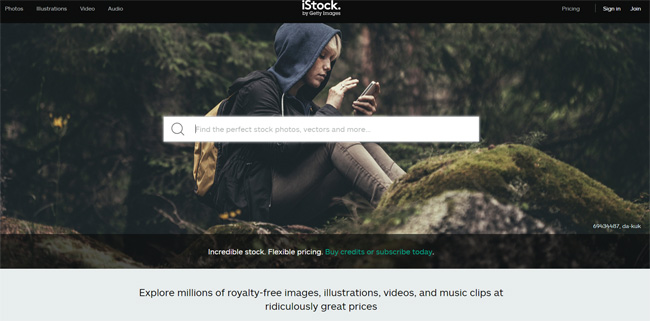
Aside from the premium content and the flexible rates, there are two more reasons to be part of iStock’s creative community:

  • Innovative tools. One of the best features of iStock is its dedication to the satisfaction of its customers. The stock photo agency does not settle for good. It continuously upgrades its search tools to give its customers the best website experience. Its recent upgrades offers faster, easier and smoother image search. You do not have to spend hours to find what you are looking for anymore. You can use the filters to directly find the perfect images.
  • iStock Coupons. iStock values the creative community. It wants to cater to the needs of every creative professional in the world. Aside from its already low image subscription rates and credit packs prices, it collaborated with us to offer more discounts in the form of iStock coupon codes. These promo codes provide 10 and 15 percent discounts on credit packages and image subscriptions respectively.

About our iStock photo Coupons

istock promo code

Our coupon codes offer new and existing customers alike the opportunity to enjoy further savings. We recommend the yearly subscription and 60 credits more so you can get the best value for your money. Of course, you can still choose whichever suits your creative needs and budget. Unlike other coupon codes that only last for a short period of time or gives maximum discount, ours give 15% off the entire year.

iStock offers the best content at the right price. With millions of high quality royalty-free images in its collection, you will surely find what you are looking for. You will not be disappointed with the rates as well. The stock photo agency offers one of the cheapest stock photos in the market. All images come with a Standard license, which allows you to use them in any project for as long as you like. If you want an Extended License, you can avail it through credit packs but not with subscription downloads.

What are you waiting for? Enjoy high quality images, flexible rates and faster search with an iStock promo code now! You will surely find the stock photo website favorable to your creative needs and use promo codes to get images at much discounted rates.